
A Situation Many Workplaces Are Not Prepared For
A worker suddenly collapses.
Many workplaces in Malaysia are simply not prepared.
The Reality of Workplace Emergencies
People gather.
Some panic.
Some hesitate.
The AED is nearby — but no one uses it.
⏳ Minutes pass.
By the time help arrives, it may already be too late.
This is not uncommon.
In industries like manufacturing, construction, and logistics:
• Emergencies can happen anytime
• Cardiac arrest requires immediate action
• The first few minutes are critical
Equipment alone is not enough.
What matters is simple:
Is someone ready to act?
What We Commonly See on Site
From real workplace observations:
• Employees unsure what to do
• Emergency Response Teams lack hands-on practice
• AED is available, but no one uses it
• Procedures exist — but not in action
These gaps only show during real emergencies.
Why Time Matters
In a cardiac emergency:
• Brain damage can start within minutes
• Every delay reduces survival chances
• Immediate CPR can save a life
Waiting for the ambulance is not enough.
The first response must come from your team.
The Hidden Risk for Employers
The impact goes beyond the incident:
• Risk of serious injury or fatality
• Increased scrutiny from authorities
• Loss of employee confidence
• Damage to company reputation
Safety reflects how prepared your organization truly is.
The Real Gap: Preparedness vs Assumption
Many companies believe they are prepared because:
• They have SOPs
• They have equipment
• They have assigned personnel
But in reality:
Preparedness is proven through action — not documents.
What Makes the Difference
In those critical moments:
• Someone must step forward
• Someone must stay calm
• Someone must know what to do
This only comes from hands-on, practical experience
A Simple Question for Every Workplace
Ask yourself:
• If someone collapses today, who will respond?
• Can your team perform CPR correctly?
• Can they use the AED confidently?
If the answer is uncertain…
There is a gap.
Moving From Awareness to Readiness
Emergencies don’t give warnings.
Preparation is not about reacting.
It’s about being ready.
Real readiness requires:
• Practice
• Exposure
• Confidence
Taking the Next Step
At Safetyware EHS, we support organizations in building real emergency readiness.
Our approach focuses on:
• Hands-on training
• Real workplace scenarios
• Building confidence to act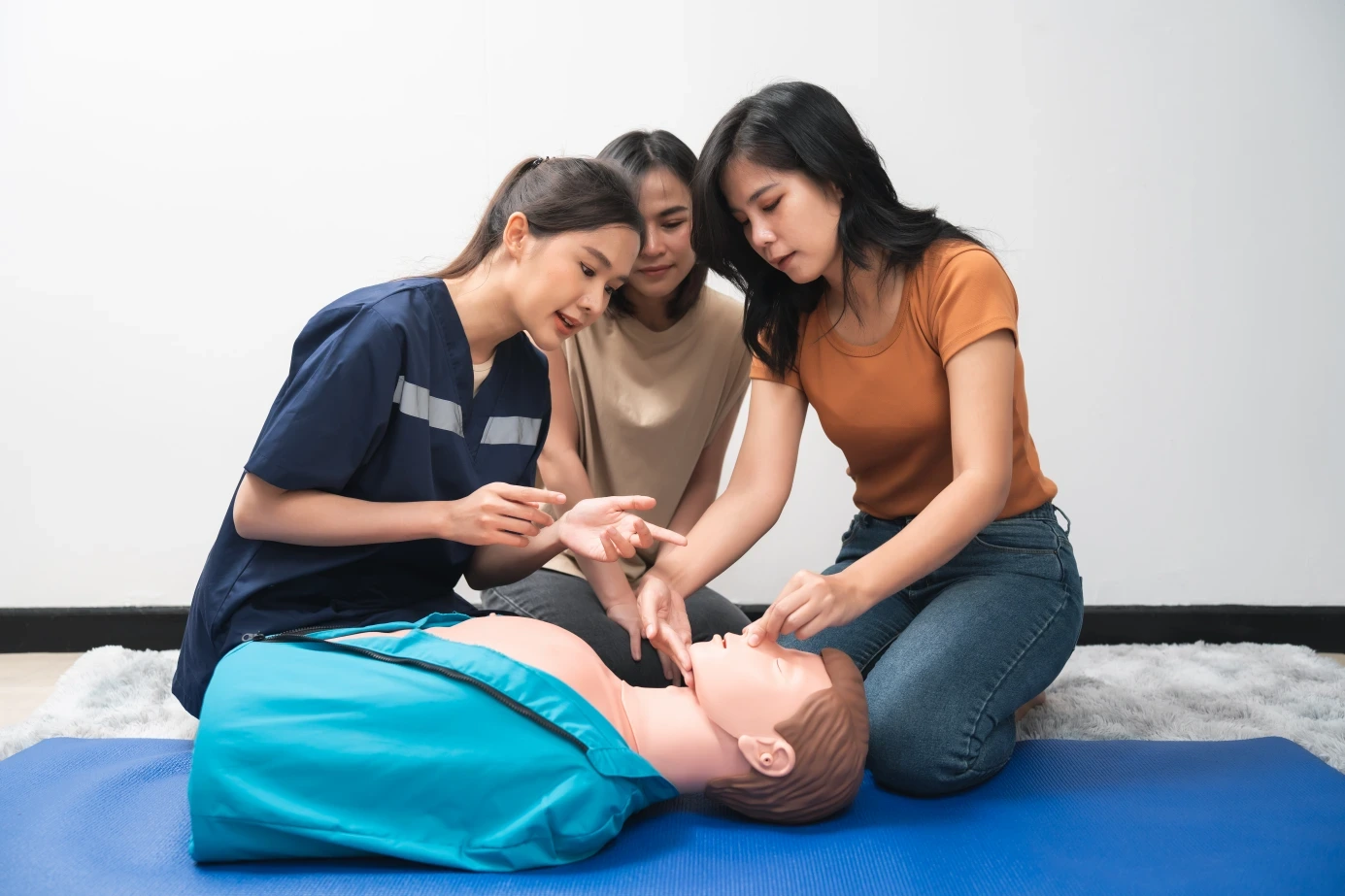
Because in an emergency, every second matters — and someone needs to act.
In an emergency, every second matters.
Make sure someone in your team knows what to do.
Contact us today to arrange a practical training session.
Enquire Training
Public Training