Workplace Emergency Preparedness: CPR, AED & Emergency Response Guide
A Situation Many Workplaces Are Not Prepared For a worker suddenly collapses.
A worker suddenly collapses.
People gather.
Some panic.
Some hesitate.
The AED is nearby — but no one uses it.
⏳ Minutes pass.
By the time help arrives, it may already be too late.
This situation is more common than many workplaces realize.
What Is Workplace Emergency Preparedness?
Workplace emergency preparedness refers to how ready your team is to respond effectively during critical situations such as cardiac arrest, injury, or medical emergencies.
It is not just about having equipment — it is about having trained people who can act immediately.
The Reality of Workplace Emergencies
In industries such as manufacturing, construction, and logistics:
• Emergencies can happen anytime
• Cardiac arrest requires immediate action
• The first few minutes are critical
Having an AED alone is not enough.
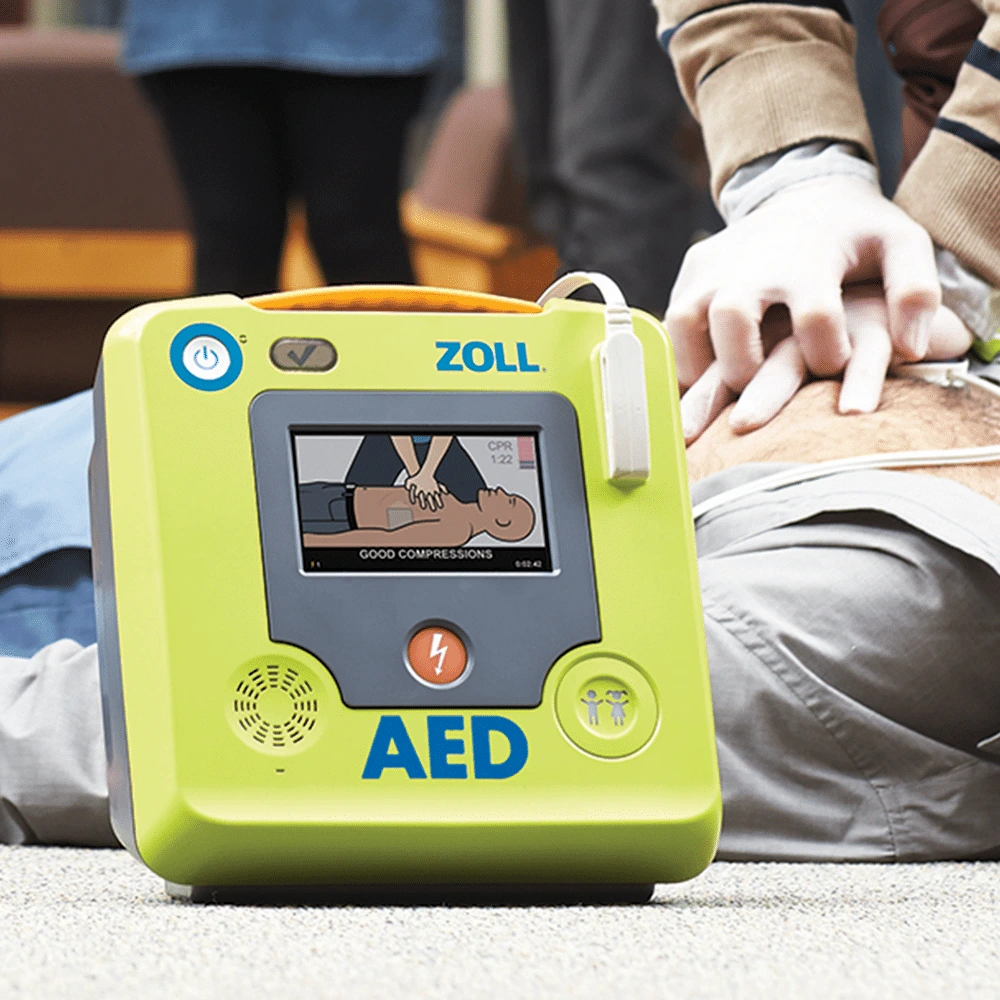
What matters is: Is your team trained to respond?
What We Commonly See on Site
From real workplace observations:
• Employees unsure what to do
• Emergency Response Teams lack hands-on practice
• AED available, but not used
• Procedures exist — but not applied
These gaps only appear during real emergencies.
Why Time Matters in a Workplace Emergency
In a cardiac emergency:
• Brain damage can begin within minutes
• Every delay reduces survival chances
• Immediate CPR training can significantly increase survival
Waiting for the ambulance is not enough.
The first response must come from your team.
Workplace Emergency Response Training in Malaysia
Effective emergency response training ensures that employees:
• Stay calm under pressure
• Perform CPR correctly
• Use AED confidently
• Follow proper emergency procedures
This transforms employees from bystanders into responders.
The Hidden Risk for Employers
The impact goes beyond the incident:
• Risk of serious injury or fatality
• Increased scrutiny from authorities
• Loss of employee confidence
• Damage to company reputation
Safety reflects how prepared your organization truly is.
The Real Gap: Preparedness vs Assumption
Many companies believe they are prepared because:
• They have SOPs
• They have equipment
• They have assigned personnel
However:
Preparedness is proven through action — not documents
What Makes the Difference
In critical moments:
• Someone must step forward
• Someone must stay calm
• Someone must know what to do
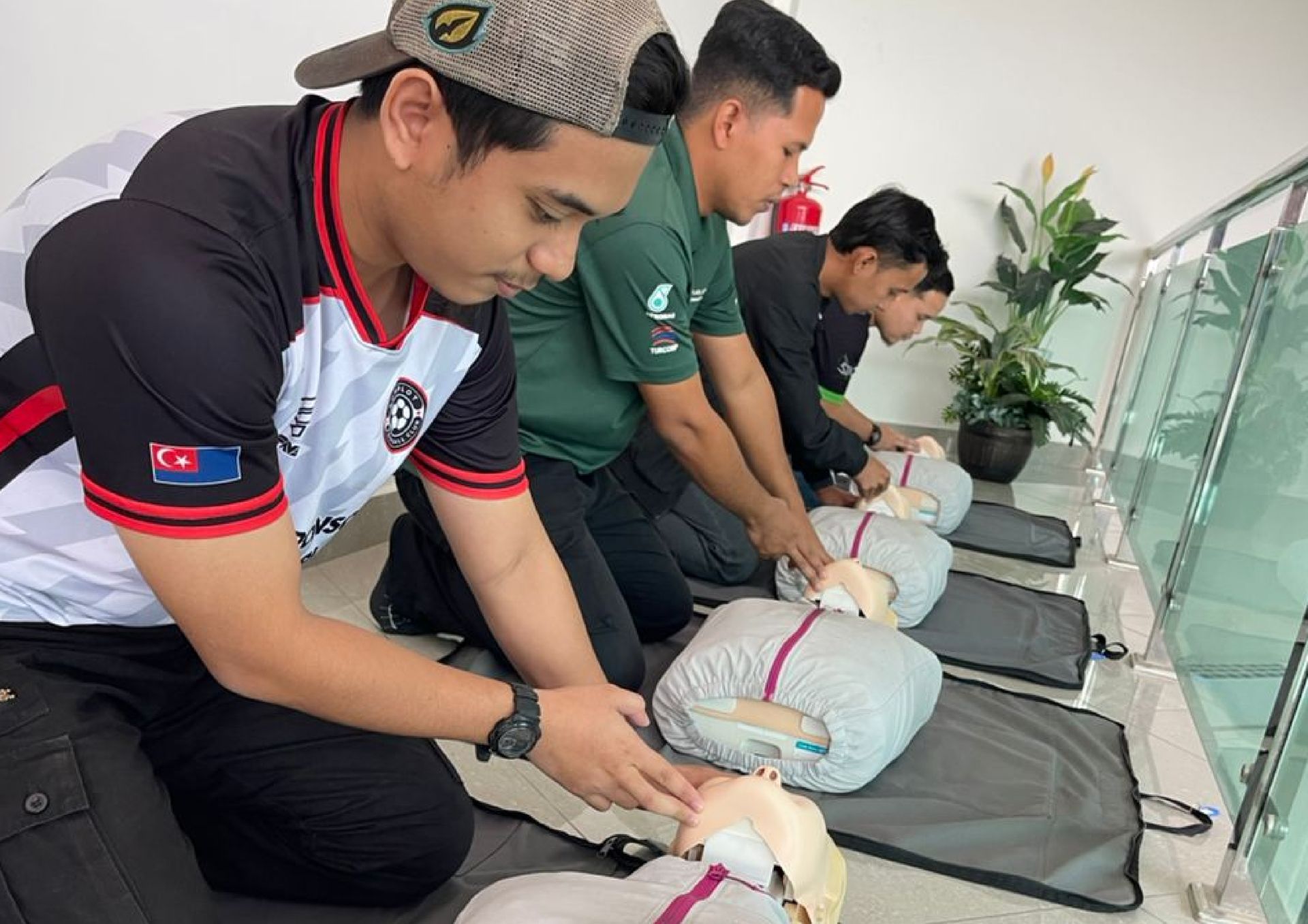
This only comes from hands-on workplace emergency training.
A Simple Question for Every Workplace
Ask yourself:
• If someone collapses today, who will respond?
• Can your team perform CPR correctly?
• Can they use AED confidently?
If the answer is uncertain — there is a gap.
Moving From Awareness to Readiness
Emergencies don’t give warnings.
Preparation is not about reacting.
It is about being ready.
Real readiness requires:
• Practice
• Exposure
• Confidence
Workplace Emergency Preparedness Training
At Safetyware EHS, we support organizations in building real emergency readiness through:
• Hands-on CPR and AED training
• Real workplace emergency scenarios
• Confidence-building practical sessions
Because in an emergency, every second matters.
FAQ
What should you do if someone collapses at work?
Start CPR immediately, call for help, and use an AED if available.
Why is CPR training important in the workplace?
It allows immediate response before medical help arrives, increasing survival chances.
Do all workplaces need emergency response training?
Yes, especially in high-risk industries such as manufacturing, construction, and logistics.
Taking the Next Step
Because in an emergency, every second matters — and someone needs to act.
In an emergency, every second matters.
Make sure someone in your team knows what to do.
Contact us today to arrange a practical training session.
Enquire Training
Public Training